Address
304 North Cardinal
St. Dorchester Center, MA 02124
Work Hours
Monday to Friday: 7AM - 7PM
Weekend: 10AM - 5PM
Excavators are among the hardest-working machines in construction, mining, quarrying, road building, demolition, and infrastructure projects. Every working hour places enormous stress on hundreds of mechanical and hydraulic components. When even one critical part begins to wear out, overall machine efficiency decreases, fuel consumption increases, and unexpected downtime becomes more likely.
For contractors and equipment owners, replacing worn parts at the right time is not just routine maintenance—it is an investment in productivity. High-quality spare parts can significantly extend equipment life, improve operational safety, and reduce long-term repair costs.
However, with thousands of suppliers offering replacement parts, choosing the right components can be challenging. This guide explains what to look for when purchasing excavator spare parts and how quality affects machine performance.
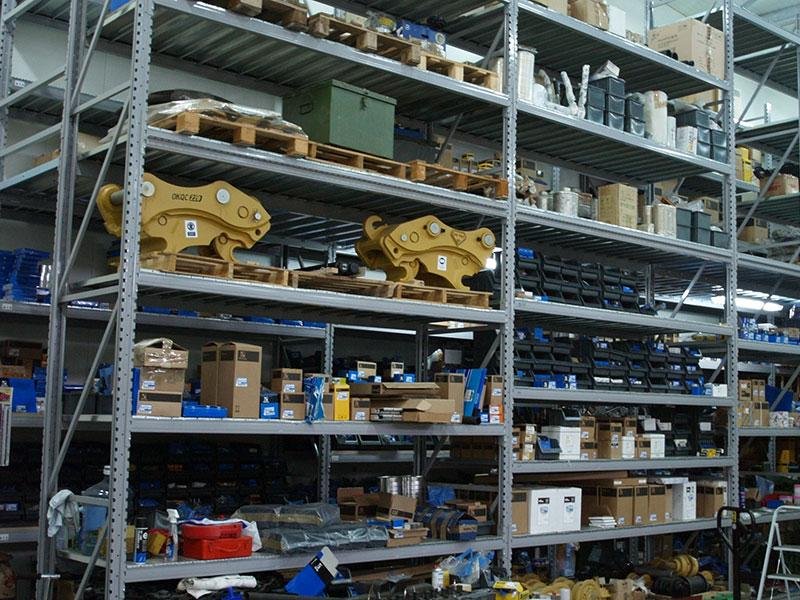
Many buyers naturally compare prices first. While keeping maintenance costs under control is important, choosing parts based only on the lowest price often leads to higher expenses later.
Poor-quality replacement parts may cause:
High-quality parts are manufactured with better materials, tighter machining tolerances, and more consistent heat treatment. Although the initial purchase price may be slightly higher, the longer service life usually results in lower operating costs.
An excavator consists of several major systems, each requiring different replacement parts during its service life.
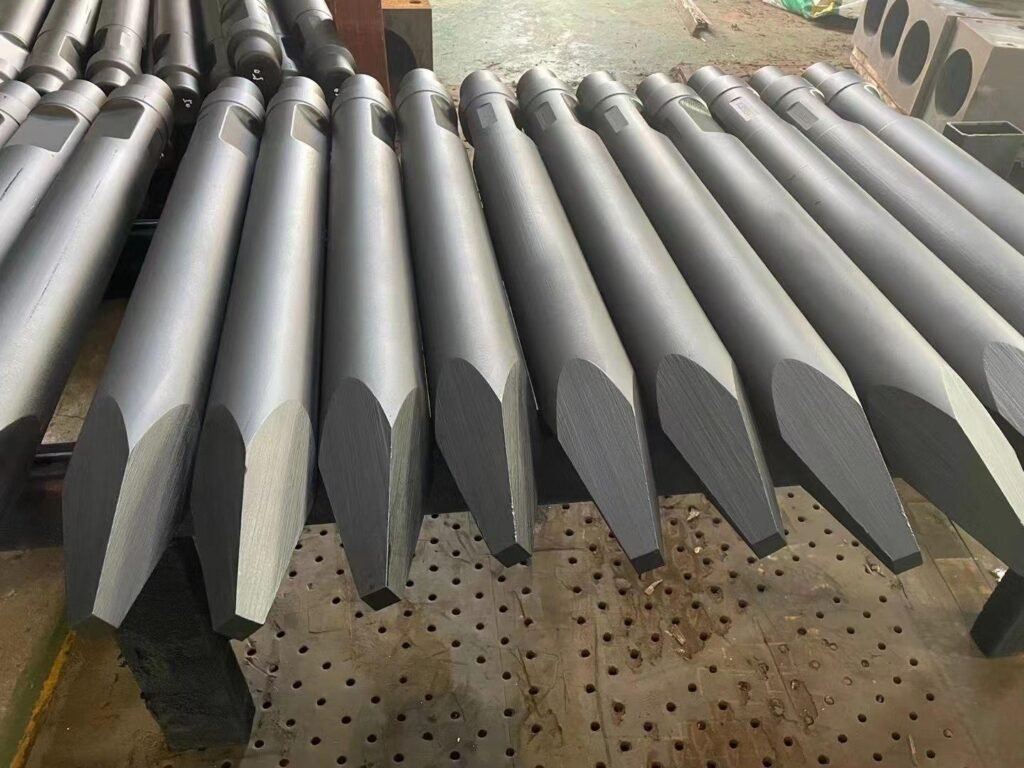
Hydraulic breakers operate under continuous impact loads. Components must withstand extremely high stress while maintaining dimensional accuracy.
Common hydraulic breaker parts include:
Each component plays an essential role in transferring hydraulic energy into breaking force.
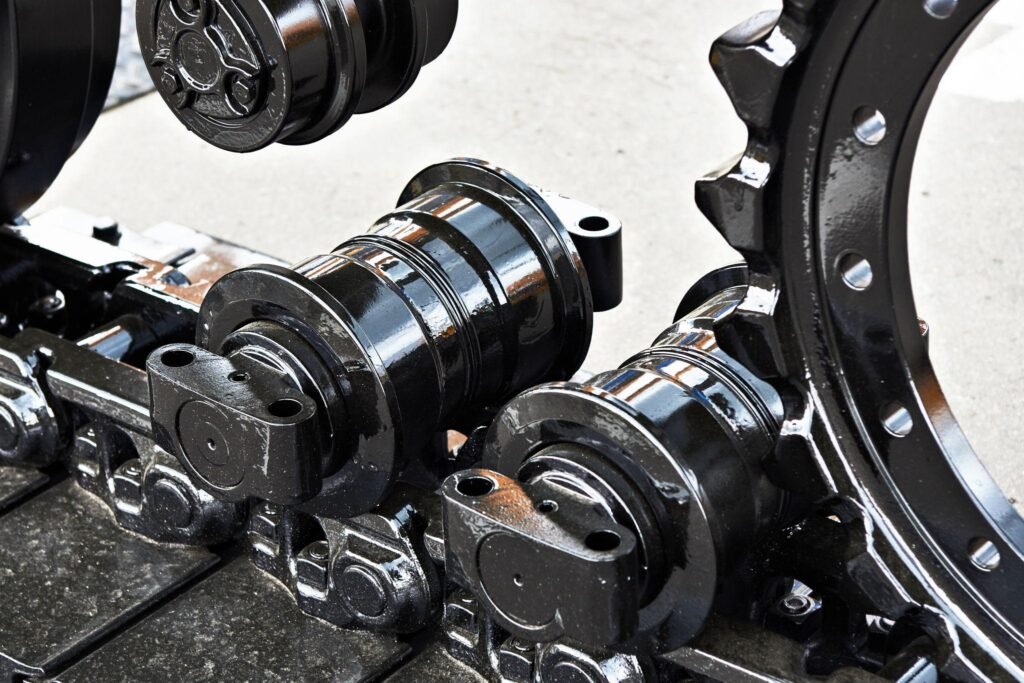
The undercarriage typically accounts for a significant portion of an excavator’s maintenance costs because it is constantly exposed to abrasive working conditions.
Main undercarriage parts include:
Regular inspection helps reduce uneven wear and extends service life.
Ground engaging tools experience continuous abrasion.
Typical products include:
Selecting wear-resistant materials improves digging efficiency while reducing replacement frequency.
The foundation of any durable component is the raw material.
High-quality alloy steel provides:
Material quality directly determines how well a part performs under demanding working conditions.
Heat treatment is often invisible to buyers, but it is one of the most important manufacturing processes.
Proper heat treatment improves:
Without proper heat treatment, even high-grade steel may fail prematurely.
Modern CNC equipment ensures:
Poor machining may result in vibration, oil leakage, or accelerated wear.
A reliable supplier offers more than products.
Professional suppliers should provide:
Working with experienced suppliers reduces purchasing risks and simplifies procurement.
Many buyers unknowingly make avoidable mistakes when ordering replacement parts.
The lowest price is not always the lowest total cost.
Always verify:
Correct matching prevents installation problems.
Using high-quality and low-quality components together often causes uneven wear and reduces the lifespan of the entire system.
Waiting until parts fail completely can damage surrounding components and increase repair costs.
Preventive maintenance is usually much more economical.
Reliable spare parts are essential in many industries:
Regardless of the industry, equipment reliability directly affects project schedules and profitability.
China has become one of the world’s leading manufacturing centers for excavator spare parts.
International buyers choose Chinese suppliers because they can often obtain:
For buyers who work with experienced suppliers, sourcing from China offers an excellent balance between quality and cost.
Simple maintenance practices can significantly increase service life.
Recommendations include:
Routine inspections help detect problems before major failures occur.